The Smile Makeover Process
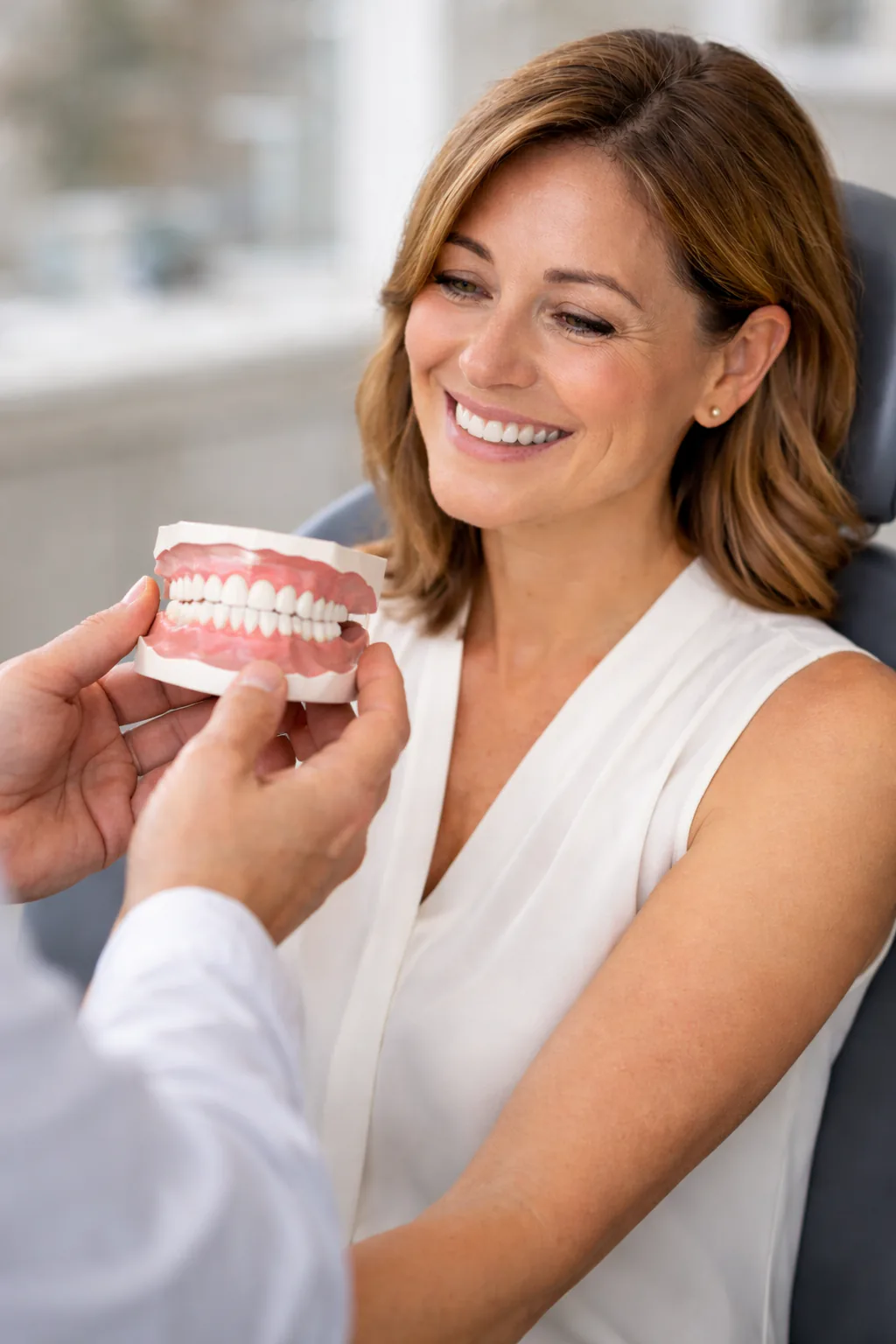
Dr. Graybill approaches a smile makeover the same way a builder approaches a custom home: start with blueprints before the heavy lifting begins. In dentistry, those blueprints come from the records, models, photographs, and wax-up that show where the smile is today and where it is meant to go.
That planning-first method helps patients avoid guesswork. Instead of waiting until delivery day to find out how the case looks, Dr. Graybill designs, tests, and refines the smile in the mouth before the final restorations are made.
Visit One: Records and Smile Design
The first appointment is the pre-prosthetic planning visit. Models, impressions, and photographs are taken so the existing smile can be duplicated and studied. From there, a wax-up is created to show the intended shape, length, and position of the teeth.
That wax-up becomes the roadmap for treatment. It also helps identify the boundaries created by the patient's own face, gum line, neighboring teeth, and opposing bite so the final design fits the individual rather than copying someone else's smile.
Visit Two: Preparation and Temporary Smile
Once the design is approved, the second appointment is the major treatment day. Dr. Graybill removes damaged enamel, replaces old failing materials, addresses decay when needed, and prepares the teeth for the final restorations.
After the final impression is taken for the lab, the wax-up design is transferred into the mouth with temporary material. This is one of the most important parts of the process because it lets the patient leave with a preview of the new smile instead of going home and wondering what the final result will look like.
Fine-Tuning the Smile While You Wear It
Temporary material is easy to shape and refine, so Dr. Graybill can evaluate the smile in the real context of the face. He checks the relationship to the eyes, nose, lips, and corners of the mouth, then adjusts details until the smile looks balanced and feels right.
Patients are able to see the design in the mirror before the lab fabricates the final case. That is a major reason the process works so predictably. The lab receives a scan or model of the actual approved temporary smile rather than a theoretical design on paper.
Visit Three: Bite Refinement
A short follow-up visit is used to refine the bite once the patient is no longer numb and has had a chance to test-drive the temporary smile. Dr. Graybill pays close attention to the way the teeth meet because even a small bite discrepancy can feel like a stone in your shoe and keep irritating the teeth.
Catching those issues early helps protect both comfort and long-term function before the permanent restorations are delivered.
Visit Four: Final Delivery
When the final restorations return from the lab, the temporary restorations are removed and the new ones are tried in, fine-tuned, and cemented in place. Because the design has already been tested in the mouth and communicated precisely to the lab, delivery is typically straightforward.
Some patients return for a quick follow-up bite check, but the goal is to have the case ready to go on delivery day without the repeated send-backs patients often hear about elsewhere.
Why Dr. Graybill Works This Way
- The smile is designed around the patient's face, lip line, and bite instead of a generic template.
- The patient sees the new smile in temporary form before the permanent case is finalized.
- The lab works from a tested design, which helps reduce remakes and guesswork.
- Modern materials such as zirconia allow Dr. Graybill to combine aesthetics with durability.
- Careful bite control helps patients transition comfortably from the old smile to the new one.
Contact us if you would like to talk with Dr. Graybill about a smile makeover, worn front teeth, or a more comprehensive restorative plan.